
Why You Should Plan for Signage Earlier in the Building Process
On many commercial projects, signage doesn’t come up until the building is nearly complete. At that point, timelines are tight, options are limited, and teams are focused on turnover and final punch lists. What should be a seamless part of the project can quickly turn into a last-minute scramble.
So, when should signage be addressed in the building process? Ideally, during the early planning and design phase, not at the end.
Signage Works Best When It’s Part of the Design Process
When signage is included during the planning phase, it becomes part of the building’s design rather than something added later.
- Architects can plan for placement, scale, and visibility.
- Builders can account for structural and electrical access.
- Municipal requirements can be addressed early, before they slow the project down.
Early Planning Leads to Better Budget and Material Decisions
Early involvement also allows for more informed decisions around design and materials. While architectural plans often note where signage should go and its general purpose, details around materials, fabrication methods, and finishes are not always defined. Those choices can significantly impact both budget and long-term performance. Involving a signage partner early helps align design intent with realistic pricing and expectations.
This is especially important for large commercial and multi-building developments, where signage goes beyond a single sign and includes wayfinding, building identification, and required regulatory signage. When signage is discussed late in the process, project budgets are often already spent, shifting the focus to the least expensive solution rather than the right one. That can lead to disappointment for end users or, in some cases, signage being replaced later once additional funds become available.
Larger Projects Need Longer Signage Timelines
Permanent, custom signage for larger developments typically requires more lead time for design, fabrication, permitting, and installation. When signage planning starts late, those timelines can conflict with occupancy goals and handoff schedules.
Early planning allows signage production to align with the overall build timeline, helping ensure the project is truly complete at turnover.
Plan Ahead for a Stronger Finish
Signage is one of the most visible and lasting elements of a finished building. Treating it as part of the early planning process leads to better coordination, more accurate budgeting, and a smoother finish for everyone involved.
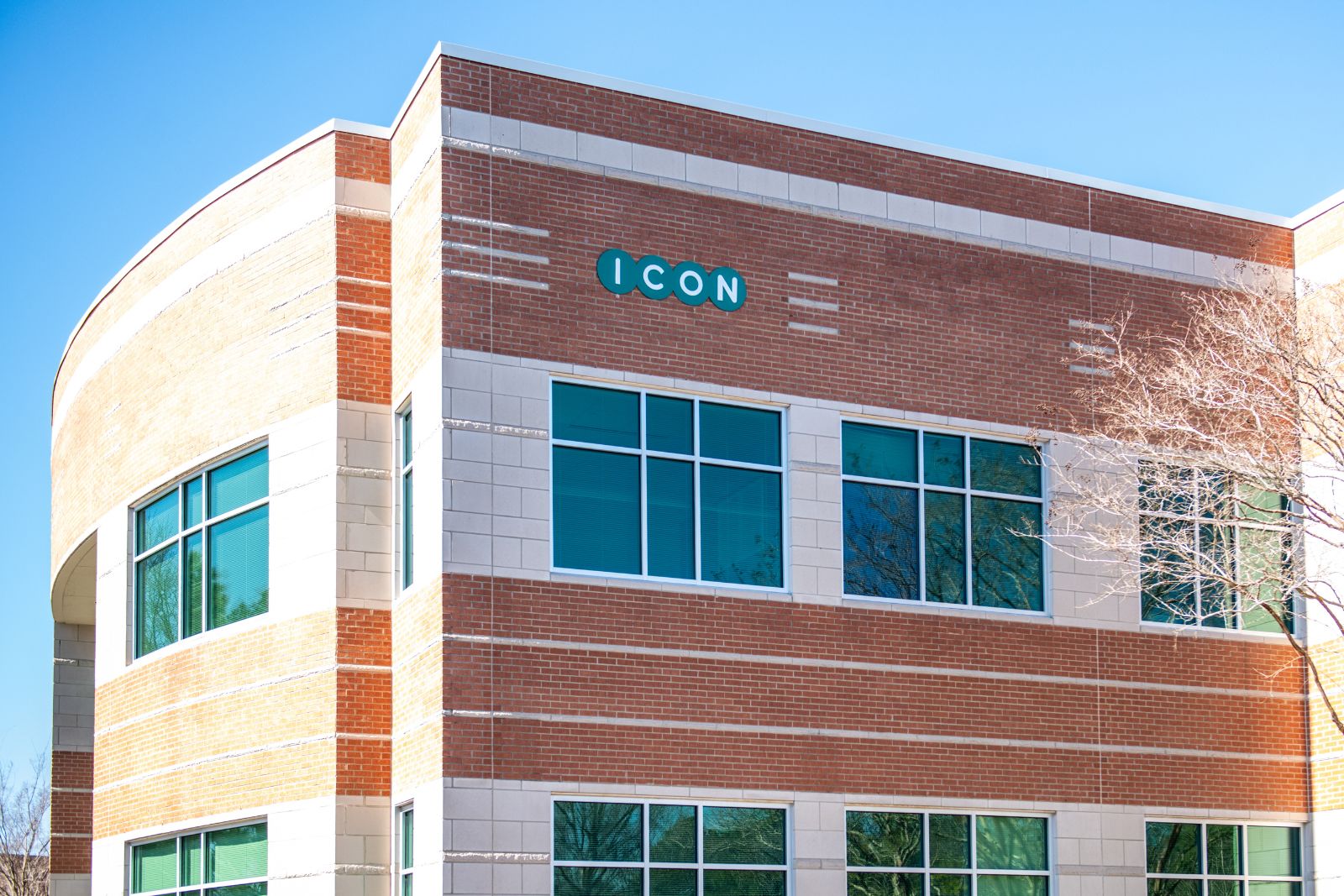
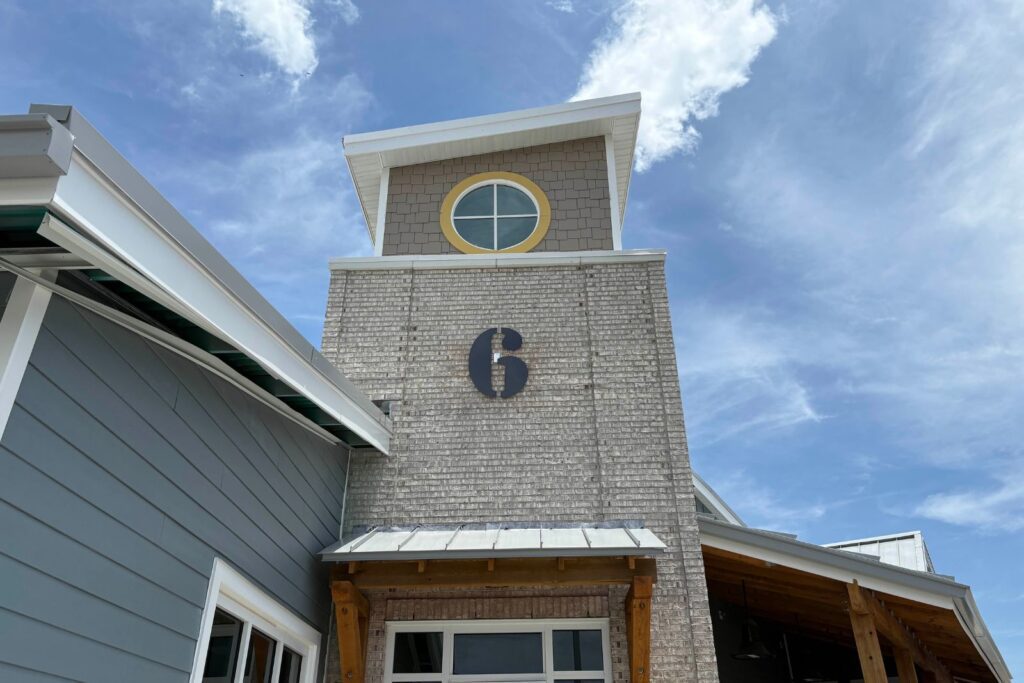
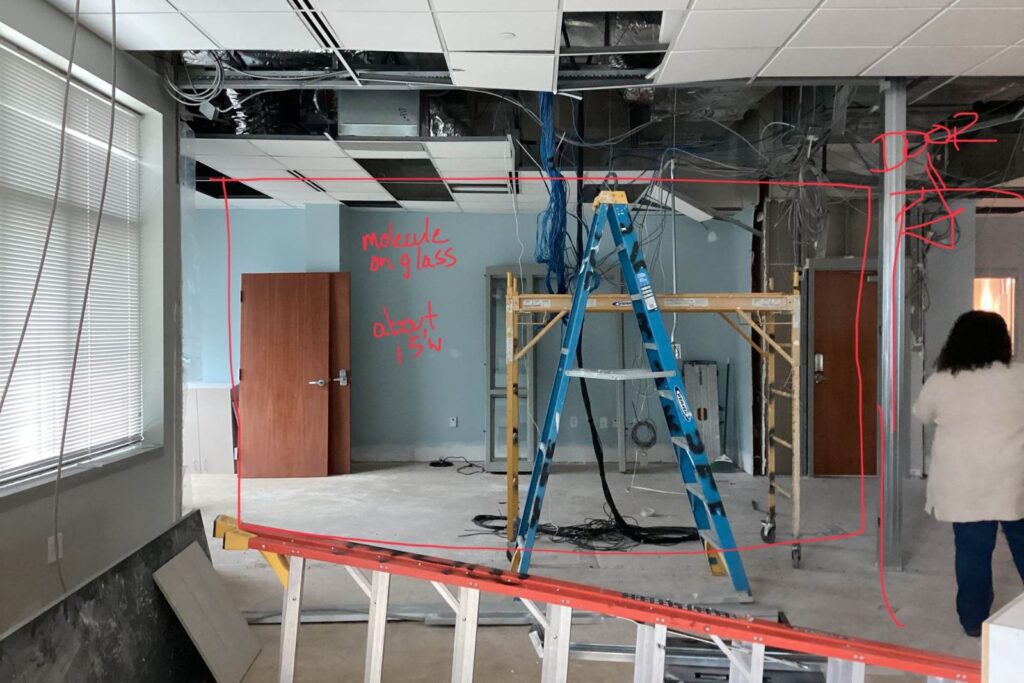
At Port City Signs & Graphics, we’ve seen firsthand how early signage coordination can keep projects moving forward without unnecessary delays or design compromises. On projects like ICON Relocation with Chambliss & Rabil, Riverlights Fire Station No. 6 with SAMET Construction, and Riverlights Monument Signage with Monteith Construction, our team was brought in while construction was still underway. That early involvement allowed us to produce signage and vinyl in advance, so everything was ready for installation as soon as each site reached completion.

If you’re planning a commercial, multi-family, or large-scale development, now is the right time to bring signage into the conversation. Port City Signs & Graphics works alongside architects, builders, and project teams early in the process to plan, design, fabricate, and install signage that fits the project from day one. Contact us today to start the conversation early and keep your project moving forward with confidence.