
Signs of a Well-Planned Campus
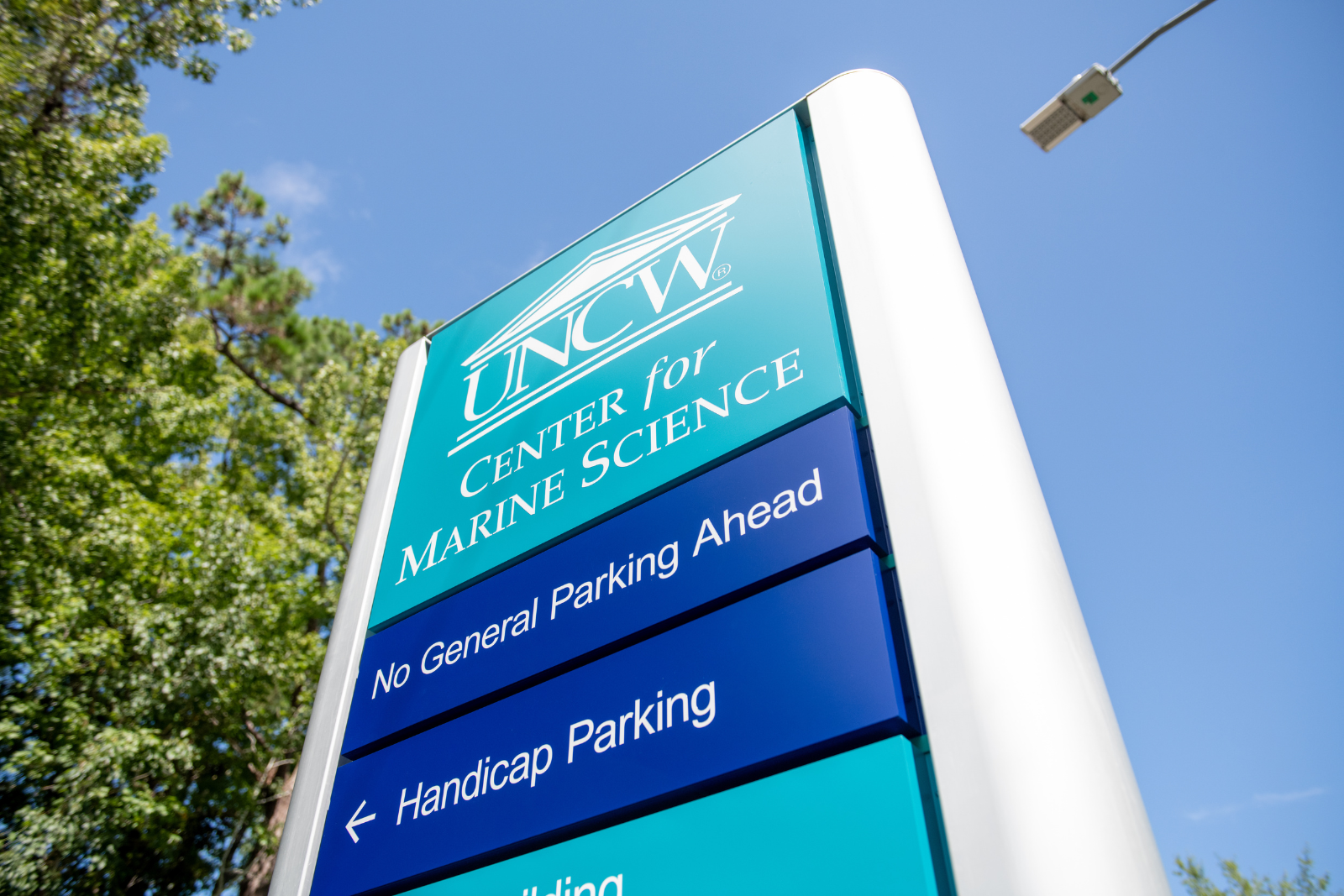
The first day of school can feel a little overwhelming. Students are figuring out where to park, which building they need, how much time it takes to get from one class to the next, and whether they are heading through the right set of doors. Parents and visitors may be navigating the campus for the first time too. In those moments, clear signage becomes part of the experience almost immediately.
A well-placed directional sign can keep someone from missing class. A clearly marked building can take some of the stress out of an already busy morning. Parking signs, campus maps, room numbers, and interior wayfinding all work together to help people get where they need to go.
Keeping People Moving
Schools and colleges can be complicated places to navigate. A single campus may include classroom buildings, administrative offices, athletic facilities, residence halls, parking lots, event spaces, and service areas spread across a large footprint.
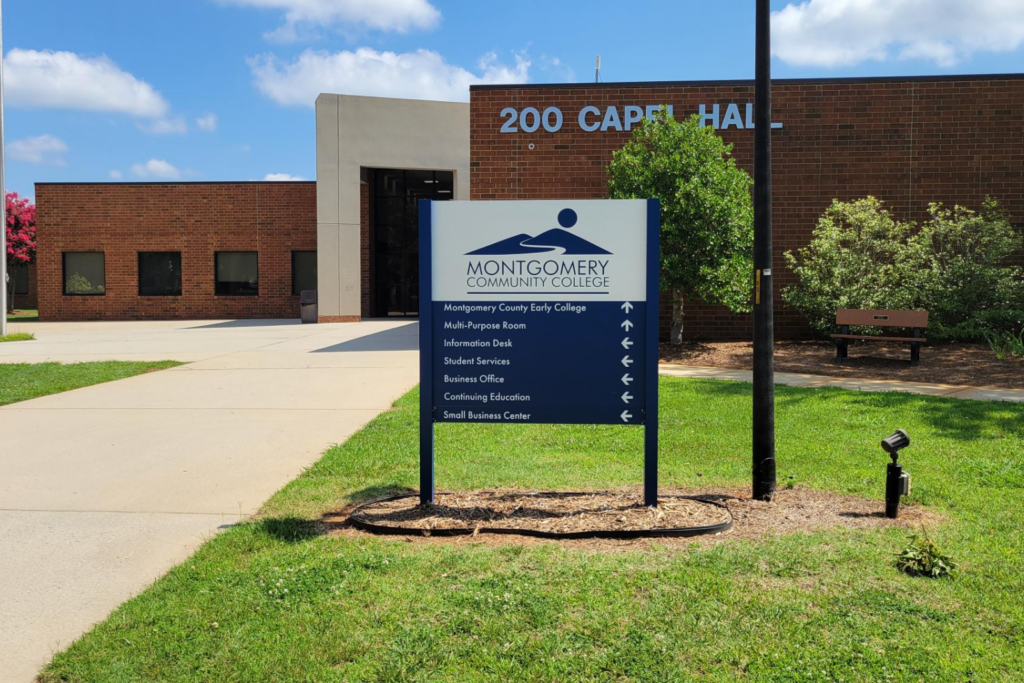
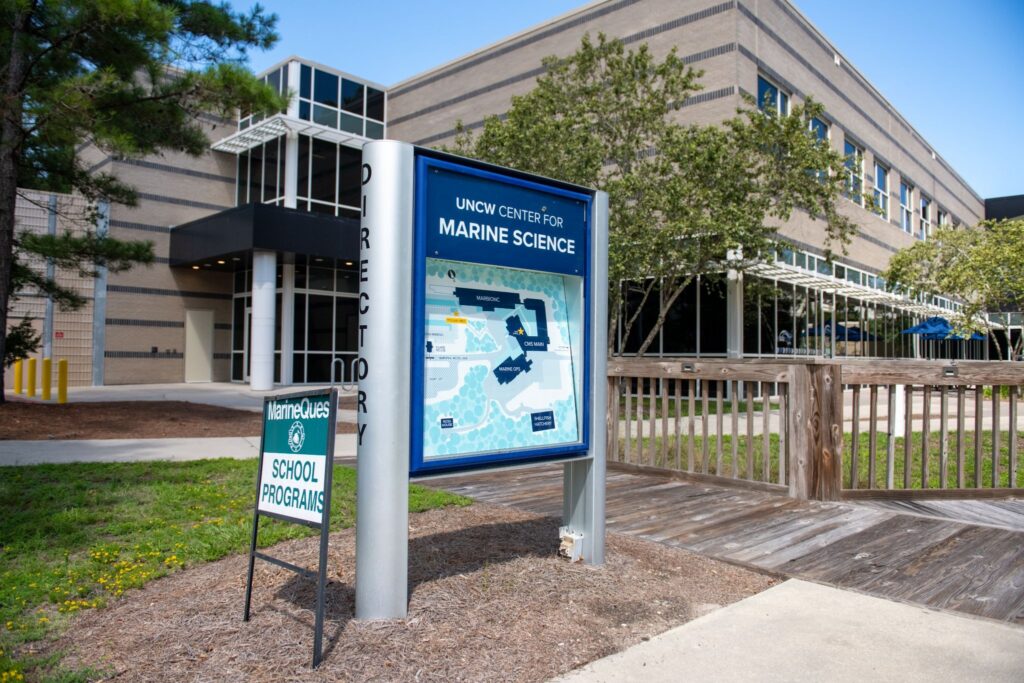
A thoughtful wayfinding system connects those spaces. Exterior directional signage helps drivers and pedestrians make decisions before they reach an intersection or entrance, while building identification, directories, room signs, and interior wayfinding pick up the journey once they are inside.
The goal is simple: give people the information they need, where they need it, without making them stop and think too hard about where to go next.
Supporting a Safer Campus
Some campus signs are designed to stand out. Others are meant to quietly communicate important information throughout the day.
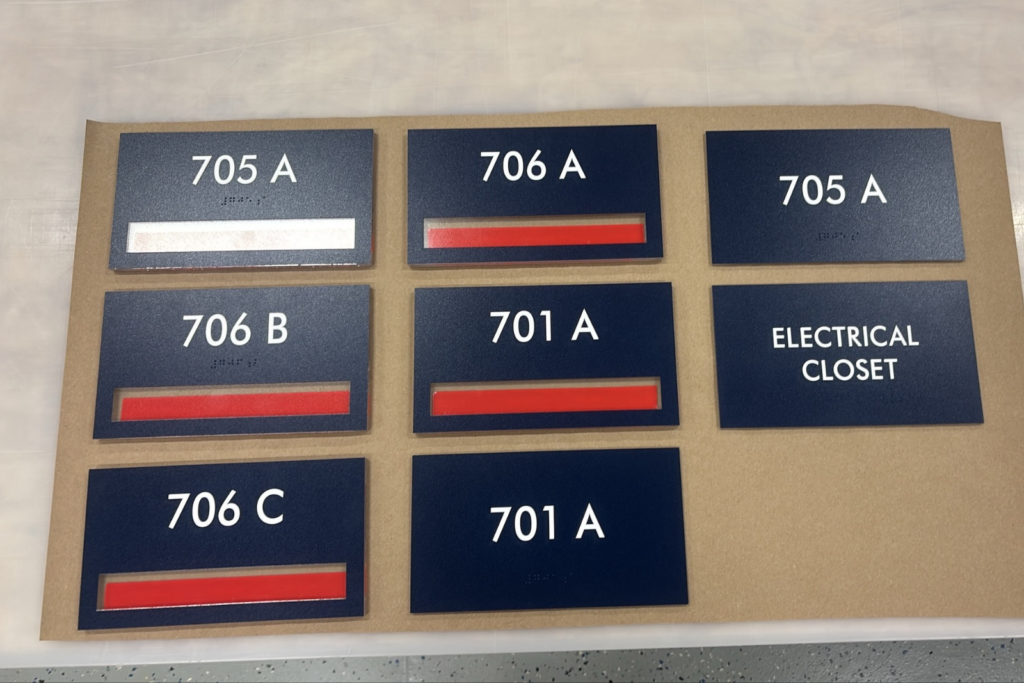
ADA-compliant room signage, parking and traffic signs, restricted-access notices, emergency information, and clearly identified entrances all play a role in creating a safer, more accessible environment.
Good signage does not eliminate every question, but it can prevent a lot of unnecessary confusion.
Creating a Campus Identity
Signs also help turn a collection of buildings into a recognizable campus.
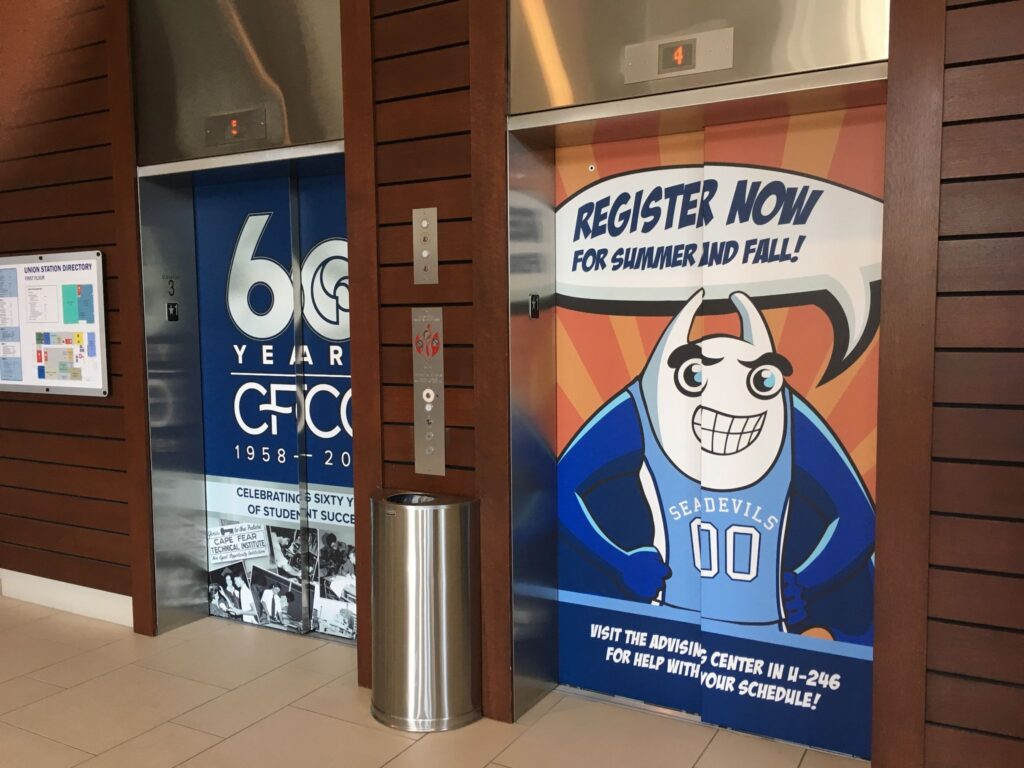
Monument signs and building identification establish that identity from the moment someone arrives. Inside, dimensional logos, wall graphics, window graphics, donor recognition displays, murals, and branded environments can carry school colors, programs, history, and values into the spaces students use every day.
These elements are especially visible during campus tours, orientation, sporting events, and community programs, but their impact goes beyond visitors. They help create an environment that feels connected to the institution it represents.
Communicating Beyond the Classroom
For schools and colleges, signage can also help tell a larger story.
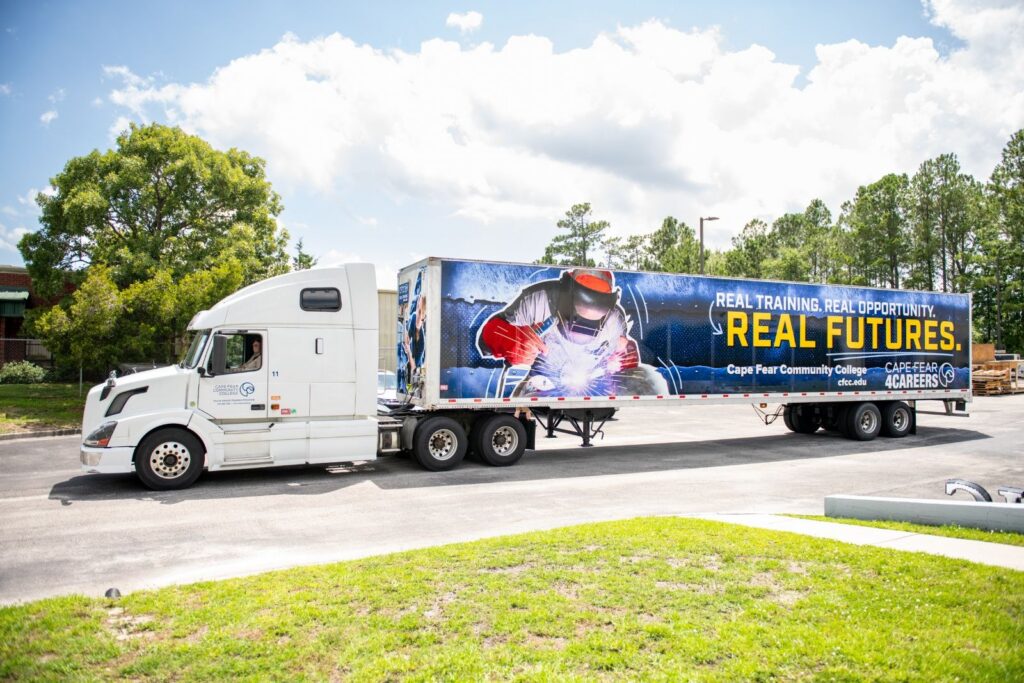
Last year, we worked with Cape Fear Community College and Southeastern Community College to create tractor trailer wraps promoting skilled trades training. Instead of using generic stock imagery, the designs featured real people working in fields such as welding, HVAC, and surveying.
The trailers serve a practical purpose for the colleges, but the graphics turn them into something more. As they travel throughout the region, they help introduce students and families to career paths they may not have considered and extend the colleges' presence well beyond campus.
It is a good example of how signs and graphics can support an educational institution's mission, not just its physical space.
Looking at the Campus as a Whole
Campus signage works best when individual signs are considered as part of a larger system.
As schools grow, renovate buildings, add programs, or change how spaces are used, older signage can become outdated or disconnected. A periodic look at the campus as a whole can reveal missing directions, inconsistent building identification, accessibility needs, or opportunities to better represent the school's identity.
Port City Signs & Graphics works with schools, colleges, and educational organizations on everything from wayfinding and ADA signage to building identification, environmental graphics, and custom signage.
If your campus signage could use an update, contact us to start the conversation.